
 Media Stream Solutions
 Gaming Solutions
 E-Commerce Solutions
 VPN Server Solutions
 GPU Server Solutions
 Financial Solutions
 Security Solutions
Quick Summary
- In High-Frequency Trading (HFT), speed is the actual product. A single millisecond delay dictates whether a strategy captures a profit or absorbs a loss.
- While most industries migrate to the cloud, HFT strictly relies on bare metal servers to achieve absolute architectural control.
- Understanding this requires looking at physics, predictable execution, zero hypervisor jitter, and the necessity of direct hardware access.
While streaming platforms, social networks, and retail banks have migrated heavily to AWS, Azure, and Google Cloud, the HFT sector stubbornly anchors its execution systems to physical hardware. They rely on bare metal.
Understanding why well-funded quantitative firms reject infinite cloud scalability requires looking at physics, predictable execution, and absolute architectural control.
What Is High-Frequency Trading (HFT)?
High-Frequency Trading is an algorithmic trading method that utilizes powerful computers to process massive volumes of orders in microseconds or nanoseconds. These strategies capitalize on fleeting market inefficiencies.
Because multiple firms often target the same micro-opportunity simultaneously, the firm with the fastest execution architecture captures the trade.
4 Core Architectural Advantages of Bare Metal in HFT
1. Eliminating Hypervisor Jitter
Cloud environments rely on hypervisors to divide physical servers among multiple virtual instances. This virtualization layer introduces overhead and, crucially, jitter—microscopic, unpredictable spikes in network response times.
Bare metal servers eliminate this virtualization layer entirely. Trading algorithms interface directly with physical CPUs and network interface cards (NICs). By utilizing kernel-bypass networking protocols like DPDK, firms route data past the standard operating system stack. The result is consistently flat, sub-microsecond latency. In HFT, consistent execution predictability matters just as much as raw speed. A highly tuned strategy simply cannot survive random processing delays.
2. The Physics of Co-location
Physical distance equates to latency. Light traveling through a fiber-optic cable takes roughly five microseconds to cover one kilometer. To eliminate this transit delay, HFT firms utilize co-location. They lease rack space directly inside, or immediately adjacent to, the stock exchange's primary data center.
Public cloud regions are strategically built in locations optimized for cheap power and vast physical space, placing them geographically distant from financial matching engines. For latency-arbitrage strategies, that physical distance renders public cloud architecture non-viable.
3. Eradicating Resource Contention
Public clouds operate as multi-tenant environments. If a neighboring virtual machine suddenly spikes in workload, it competes for shared physical resources like memory bandwidth, CPU cache, and network capacity. This creates the "noisy neighbor" problem.
Average cloud performance may appear sufficient, but a microsecond lag caused by another tenant during high market volatility is catastrophic for an active trading algorithm. Bare metal provides a 100% single-tenant environment. Resource availability remains completely static, guaranteed, and predictable around the clock.
4. Bespoke Hardware Engineering
HFT infrastructure requires hyper-specialized hardware modifications. Firms extensively deploy FPGAs (Field Programmable Gate Arrays) to execute tasks like parsing market data and generating orders directly at the silicon level. Engineers strip down BIOS settings, install proprietary network cards, and frequently deploy heavily overclocked processors.
While public cloud vendors offer standard FPGA instances and compute-optimized hardware, they restrict low-level firmware tuning. Bare metal allows trading firms to engineer and optimize their hardware stacks down to the individual component level with absolute autonomy.
Bare Metal vs. Cloud in HFT Infrastructure
| Feature | Bare Metal (HFT Standard) | Public Cloud Servers |
|---|---|---|
| Latency & Speed | Lowest achievable; sub-microsecond routing via customized networking stacks. | Higher baseline latency; susceptible to hypervisor jitter. |
| Physical Location | Co-located directly at or adjacent to the stock exchange. | Remote data centers prioritized for scale and power costs. |
| Resource Allocation | 100% dedicated hardware; zero risk of external resource contention. | Shared multi-tenant hardware; vulnerable to noisy neighbors. |
| Hardware Autonomy | Total control over BIOS, customized NICs, and tailored FPGA logic. | Standardized commercial offerings with locked firmware. |
| Scaling Dynamics | Manual provisioning requires physical hardware acquisition. | Instant, elastic scaling on a pay-as-you-go model. |
The Hybrid Model: Where HFT Firms Actually Use the Cloud
Trading firms do not ignore cloud technology entirely; they simply segment their workloads. Latency-critical execution systems remain strictly on co-located bare metal. However, asynchronous operations run in the cloud. Firms heavily leverage cloud infrastructure for backtesting trading strategies, running intensive historical risk analytics, and storing petabytes of market tick data where microseconds do not impact the bottom line.
The cloud remains unmatched for enterprise flexibility, global scalability, and dynamic cost control. Yet, the high-frequency trading sector plays by a different set of physical rules. When trading profits are won and lost in microseconds, financial firms require zero virtualization overhead, physical proximity to the exchange, entirely dedicated processing resources, and silicon-level hardware customization. Until cloud platforms can engineer solutions that bypass the laws of physics and virtualization limits, bare metal will remain the absolute standard for latency-critical market operations.
Building a high-performance infrastructure is about removing every possible bottleneck. By leveraging the raw, uninterrupted power of dedicated bare metal servers, you can build systems that react at maximum speed.
Explore Dedicated ServersFrequently Asked Questions
-
Why can't HFT firms just provision faster cloud instances?
-
What defines a bare metal server?
-
Is bare metal always more expensive than cloud hosting?
Recent Topics for you
Why High-Frequency Trading (HFT) Firms Still Rely on Bare Metal Over Cloud Servers
Discover why High-Frequency Trading (HFT) firms reject the cloud and rely on bare metal servers for ultra-low latency, co-location, and hardware autonomy.

What is Real-Time Voice AI? How WebRTC, Whisper & LLMs Work Together
Discover how real-time voice AI works using WebRTC, Whisper, and LLMs, and why dedicated hardware is essential for low-latency conversational agents.
Why Your Custom CDN Origin Belongs on Bare Metal (And How to Escape Cloud Egress Fees)
Discover why moving your custom CDN origin to bare metal eliminates cloud egress fees, boosts NVMe I/O performance, and prevents unpredictable billing.
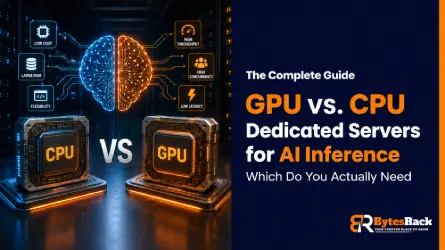
GPU vs CPU Dedicated Servers for AI Inference: Which Do You Actually Need?
Discover whether your AI inference workloads need a GPU or CPU dedicated server. Compare VRAM, TTFT, costs, and performance for 8B to 70B+ LLMs.

The GPU Sizing Guide for AI Agent Workloads on Dedicated Servers
Learn how to calculate exact GPU VRAM requirements for AI agents. Understand quantization, KV cache sizing, and choose the right dedicated server.

Why Los Angeles is the Ultimate Server Location for Cross-Pacific Gaming
Discover why Los Angeles dedicated servers provide unmatched transpacific low latency for gaming. Bridge US and APAC players with Tier-1 routing.

The London Advantage: Why UK Dedicated Servers are Vital
Discover why London dedicated servers are essential for global finance and tech. Explore ultra-low latency, UK GDPR compliance, and Tier-1 network benefits.
Ransomware Defense in 2026
Prevent ransomware in 2026 with isolated dedicated servers. Learn why bare-metal and immutable backups beat cloud storage for enterprise data security.
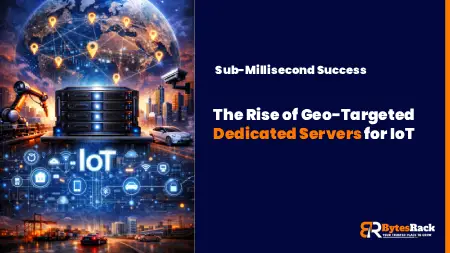
The Rise of Geo-Targeted Dedicated Servers for IoT
Explore why global enterprises are shifting to geo-targeted dedicated servers to eliminate latency, ensure data sovereignty, and power real-time industrial processing

Why Massive E-Commerce Stores Need Dedicated Servers
Find out why massive e-commerce stores need dedicated servers to scale. BytesRack explains how bare-metal stops downtime, cuts cloud fees, and boosts speed.
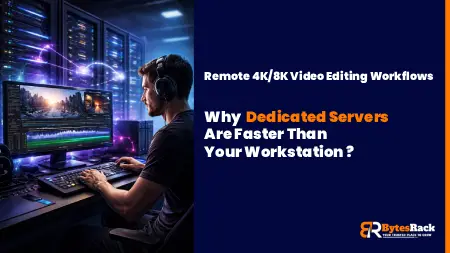
Why Low Latency Dedicated Servers Are Faster Than Your Workstation
Discover why professional studios are moving 4K/8K video editing to low-latency dedicated servers in 2026 to bypass hardware bottlenecks and thermal throttling.

The Rise of AI-Powered DDoS in 2026
AI-powered DDoS attacks are evolving faster than legacy firewalls can adapt. Discover why standard hosting is failing in 2026 and how enterprise-grade, unmetered DDoS dedicated servers can keep your infrastructure online.
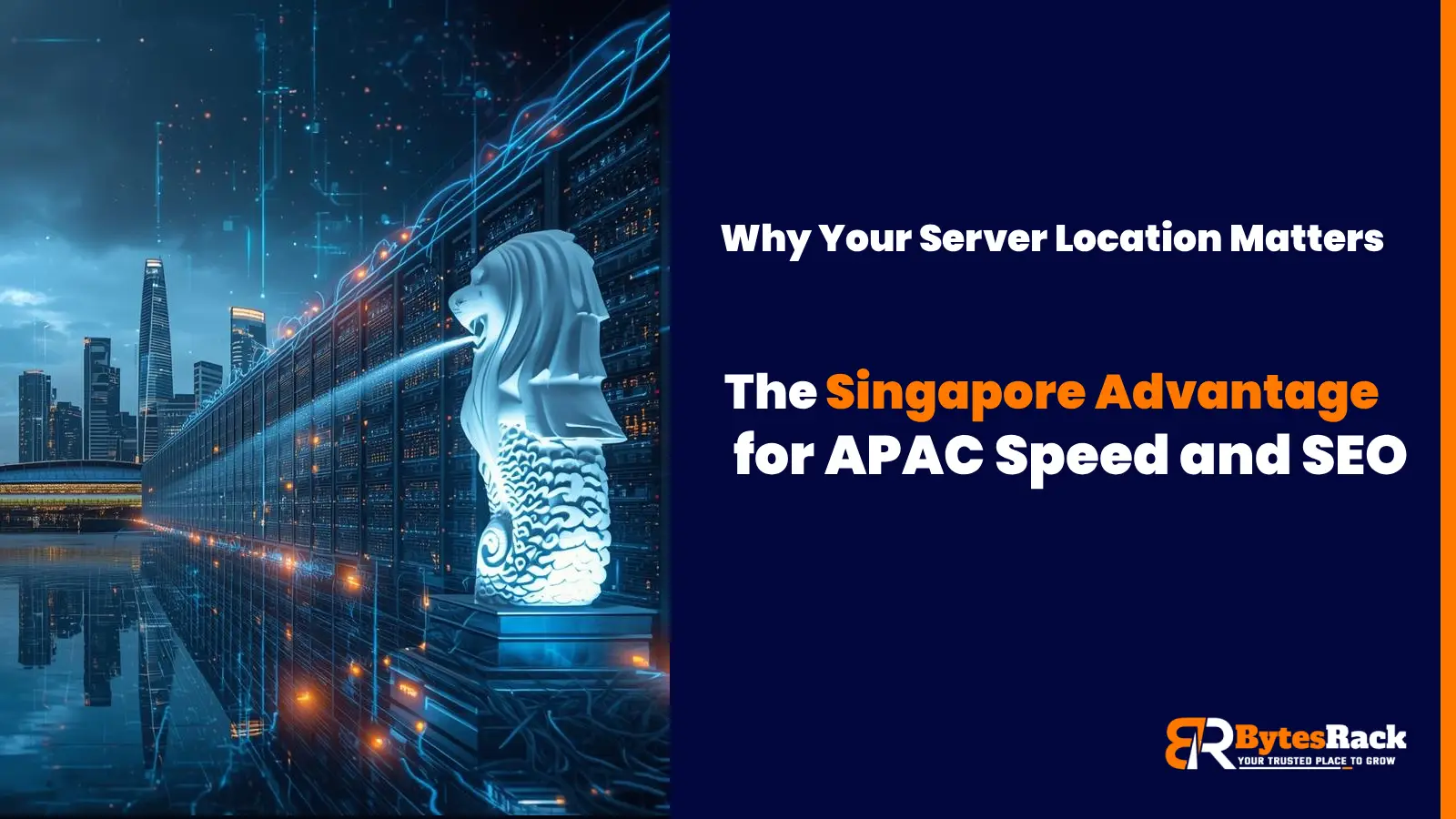
Why Your Server Location Matters: The Singapore Advantage for APAC Speed and SEO
Need to serve the APAC region? A Singapore server location provides the lowest latency. Learn how proximity boosts your site speed, Core Web Vitals, and SEO rankings.

Why MCP Servers Belong on Dedicated Hardware?
Discover why Model Context Protocol (MCP) nodes require dedicated hardware to avoid the 2-second Cold Start bottleneck of serverless functions.
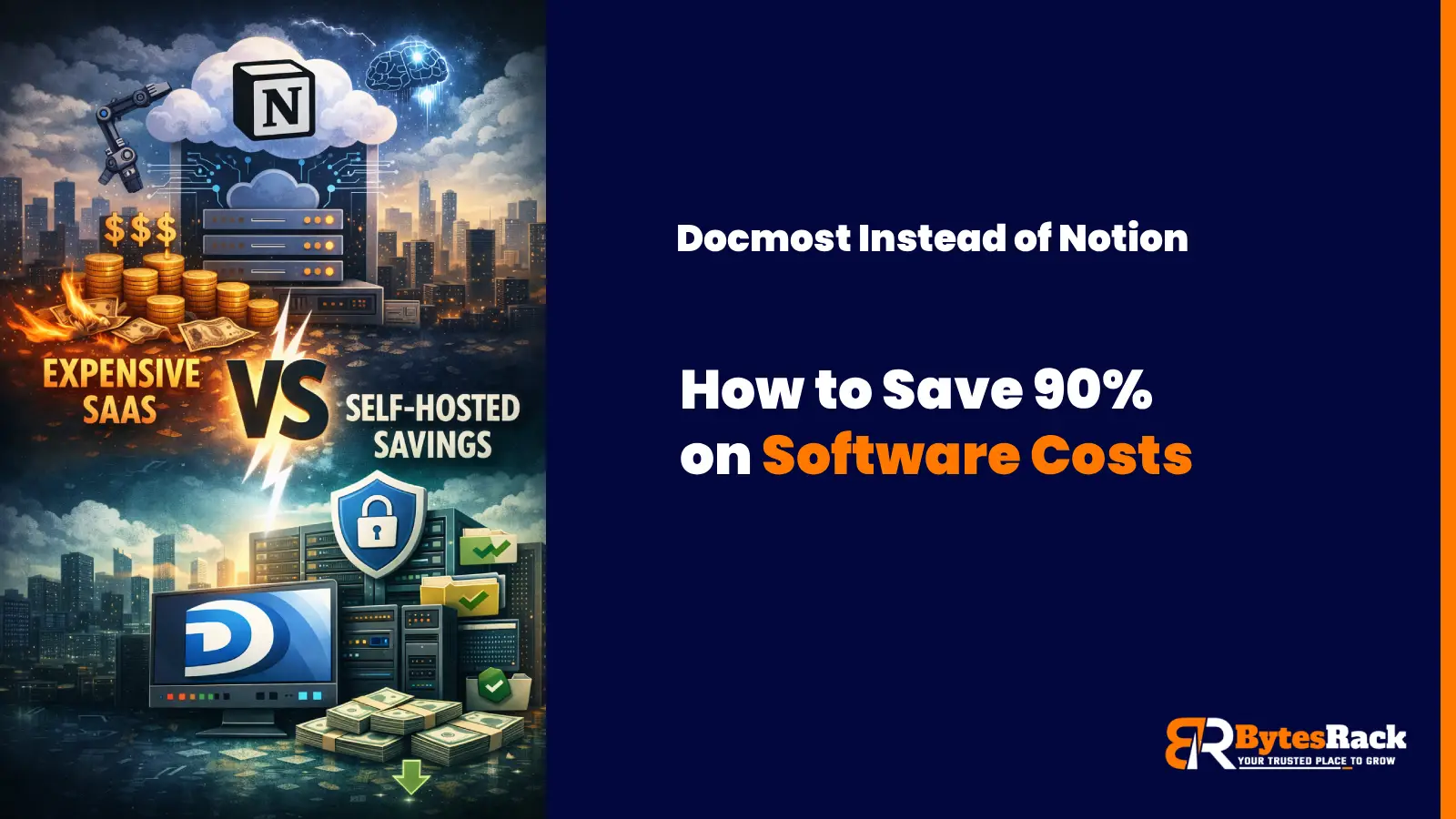
Docmost Instead of Notion:How to Cut Your Costs by 90% in 2026
Stop renting your data. Discover why companies switch to self-hosted Docmost and Outline Wiki on BytesRack dedicated servers to save 90% and regain privacy..
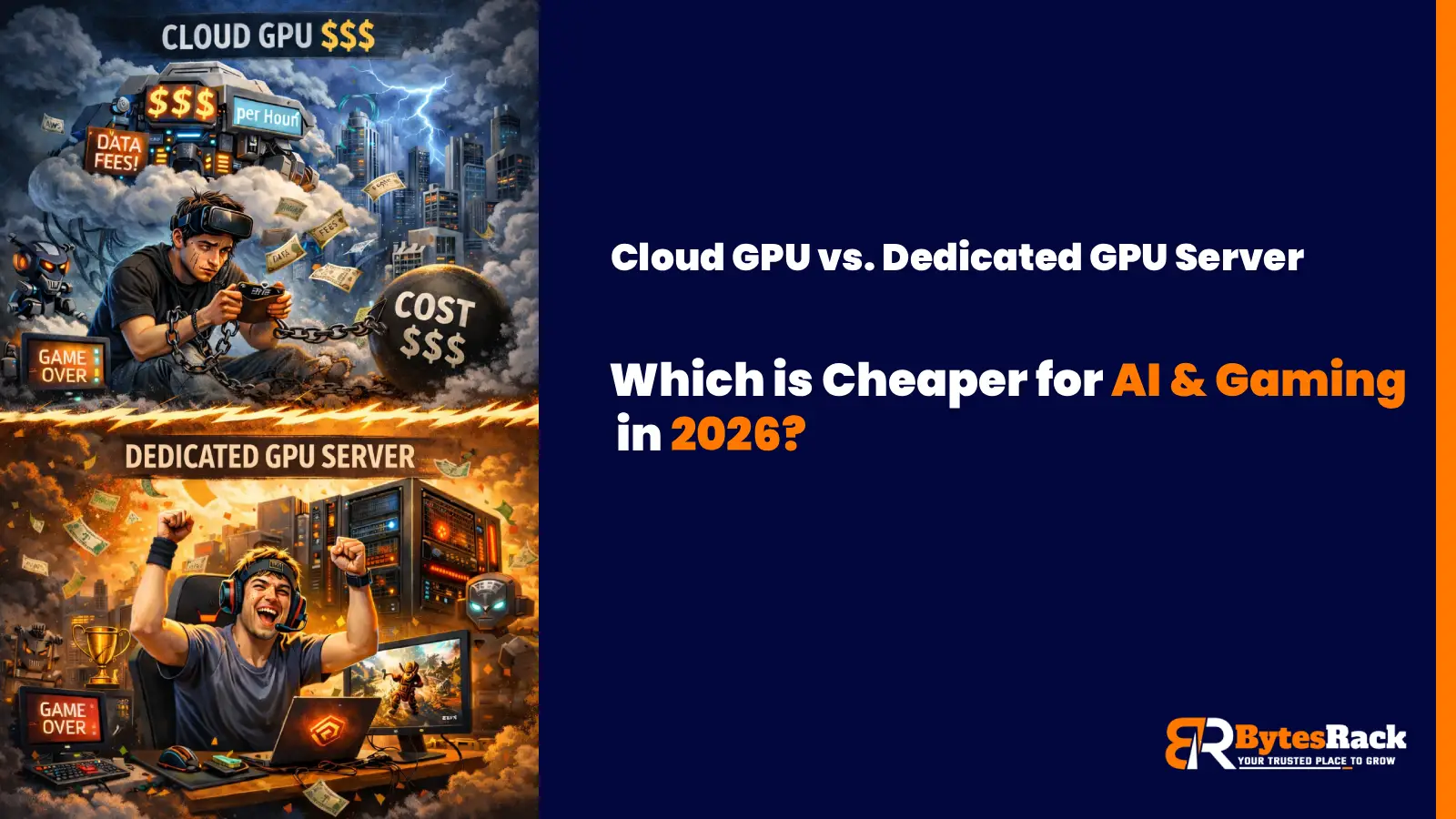
Cloud GPU vs. Dedicated GPU Server
In 2026, the smart move for AI startups and high-performance gaming communities isn't the Cloud; it's Dedicated GPU Servers.
Power Your Business with a Toronto Dedicated Server
Learn how Toronto's unique submarine cable gives our dedicated servers a speed advantage for serving Canada and the US.
The Miami Advantage:Why Your Dedicated Server Belongs at the Gateway to the Americas
Discover why a Miami dedicated server is your secret weapon. Get unrivaled low latency to Latin America & the US. Unlock strategic growth today.
Why Your Business Needs a Tokyo Dedicated Server from BytesRack
This guide will explore why Tokyo is the undisputed strategic hub for APAC and how BytesRack's dedicated servers provide the power, performance, and reliability you need to dominate the market.
Gain the Ultimate Edge: The Power of a New York Dedicated Server
Discover why New York offers the ultimate hosting advantage. Unrivaled connectivity to US & European markets
Why Germany Is the Best Location for Your Next Dedicated Server?
Discover why Germany offers the best hosting. GDPR compliance, ultra-low latency via DE-CIX Frankfurt, and enterprise-grade reliability.

Which Web Hosting Control Panel Should You Use?cPanel or Plesk
In this blog, we’ll break down the differences between cPanel and Plesk, helping you decide which control panel suits your hosting environment and technical needs best.

How to Restore SQL Server Databases Using SSMS
Learn how to restore MSSQL databases using SQL Server Management Studio (SSMS) with expert tips and best practices.

The Ultimate Guide to Dedicated Servers for Streaming - 2025
Boost performance, reduce buffering, and scale with confidence. These expert tips help you optimize your dedicated streaming server for speed, security, and seamless viewer experience.